What your team can paste into an AI tool, and what stays out
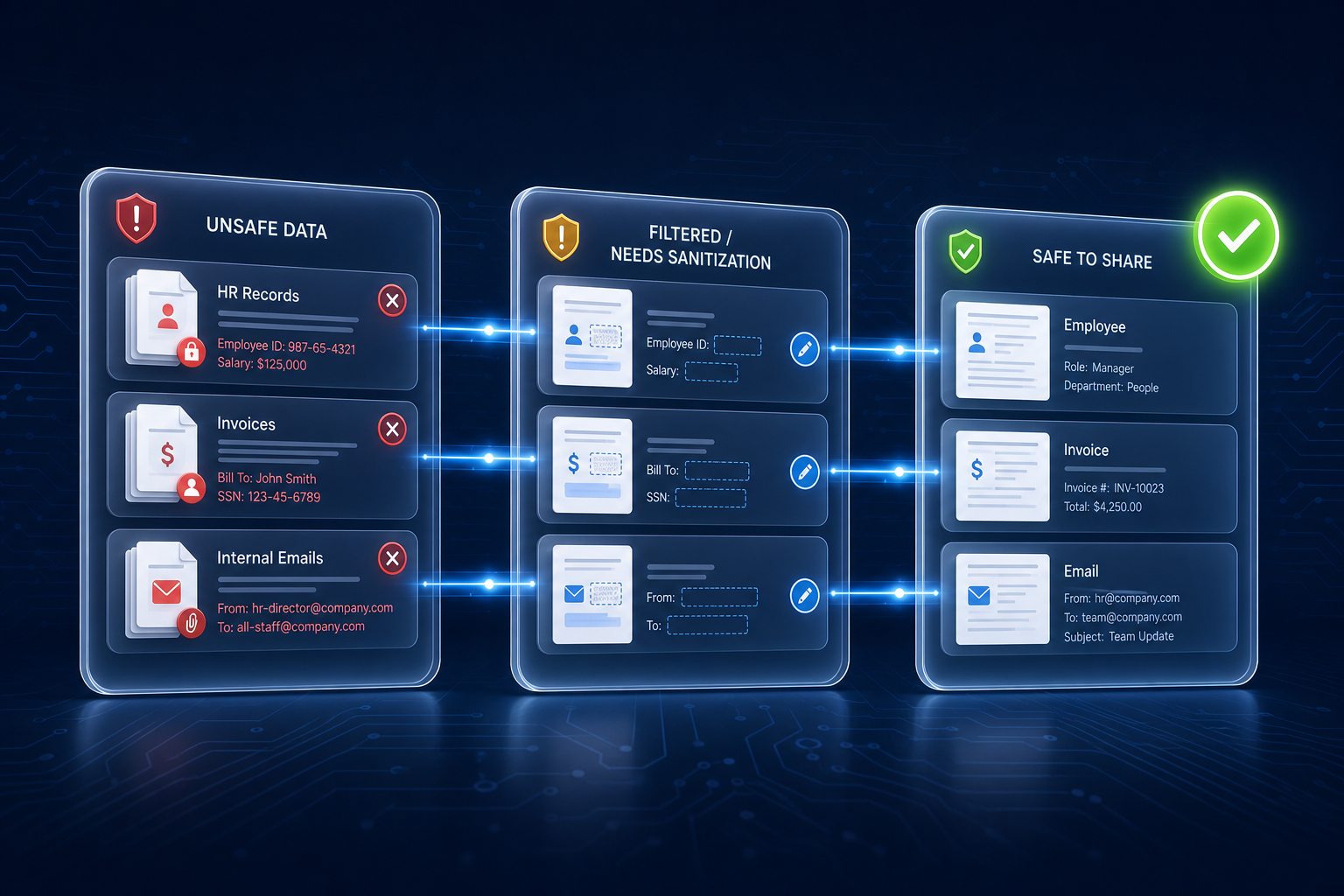
A one-page rule with three colors stops most data leaks into AI tools. You don't need a policy binder to get there.
A one-page rule with three colors stops most data leaks into AI tools. You don't need a policy binder to get there.
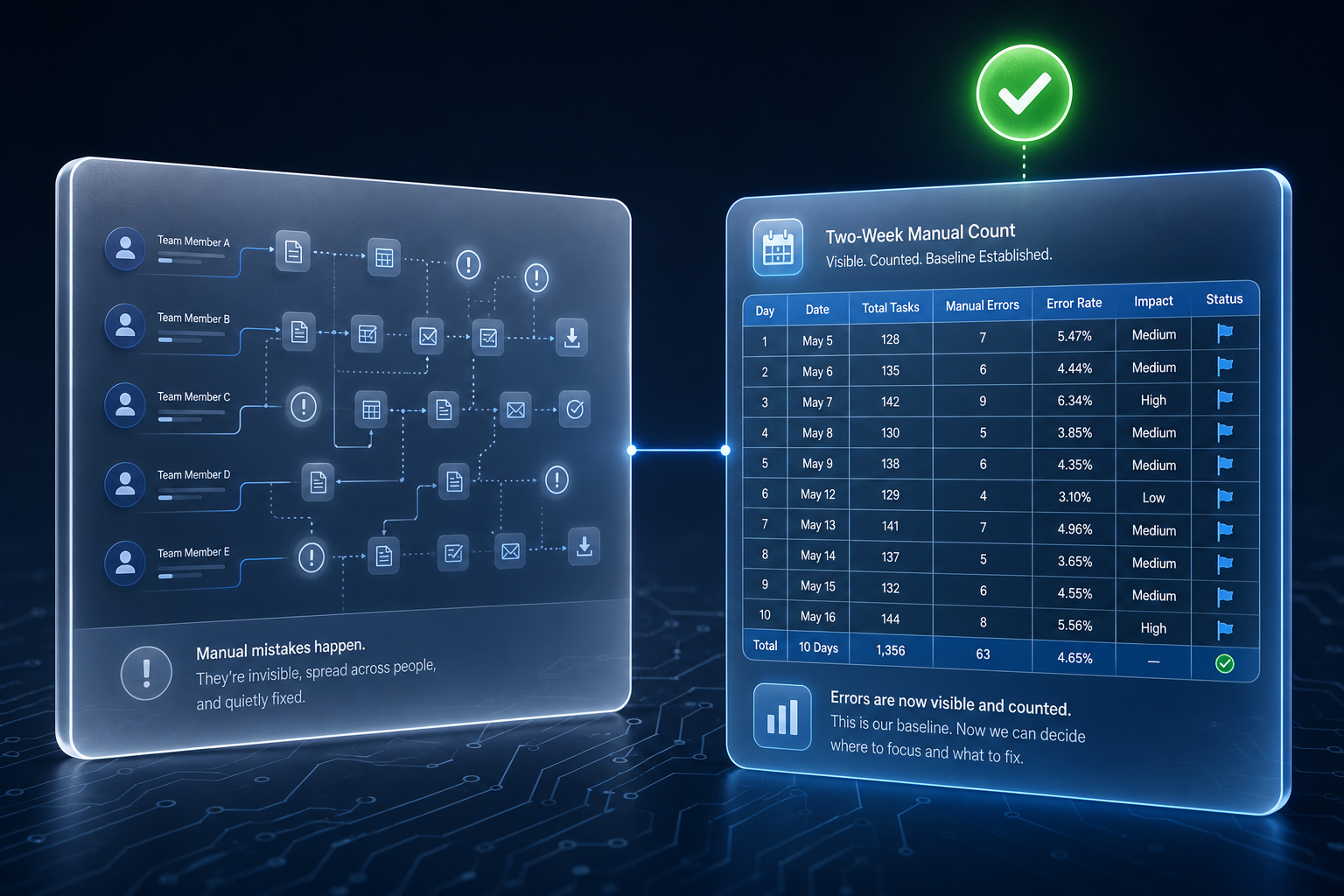
Ask an owner why a repetitive job is still done by hand, and the answer is rarely cost. It is some version of "what if it gets one wrong?"
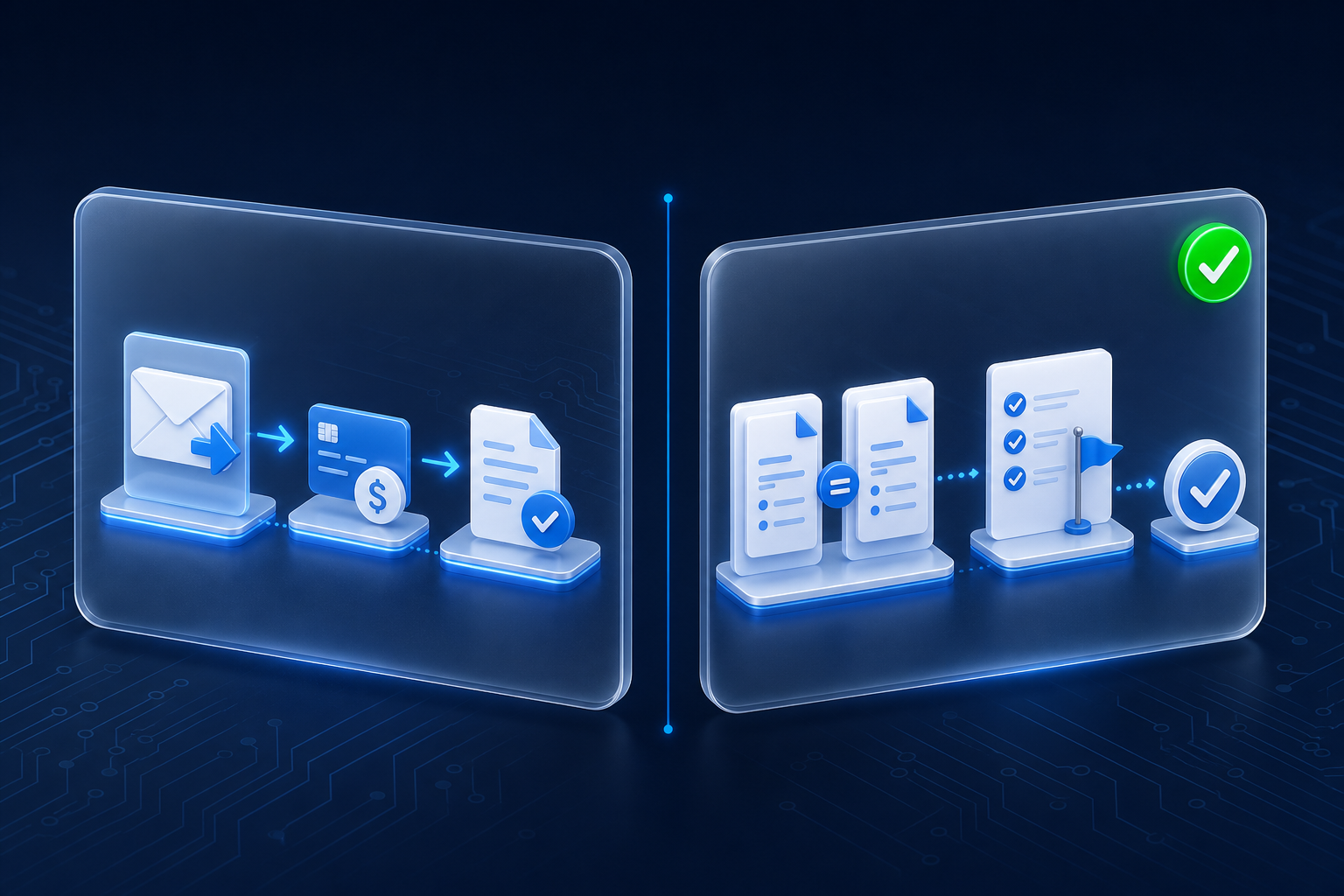
A small retailer with several locations set up one nightly check. It compared supplier invoices against what the stores actually received. In its first month, it caught a five-figure billing error.
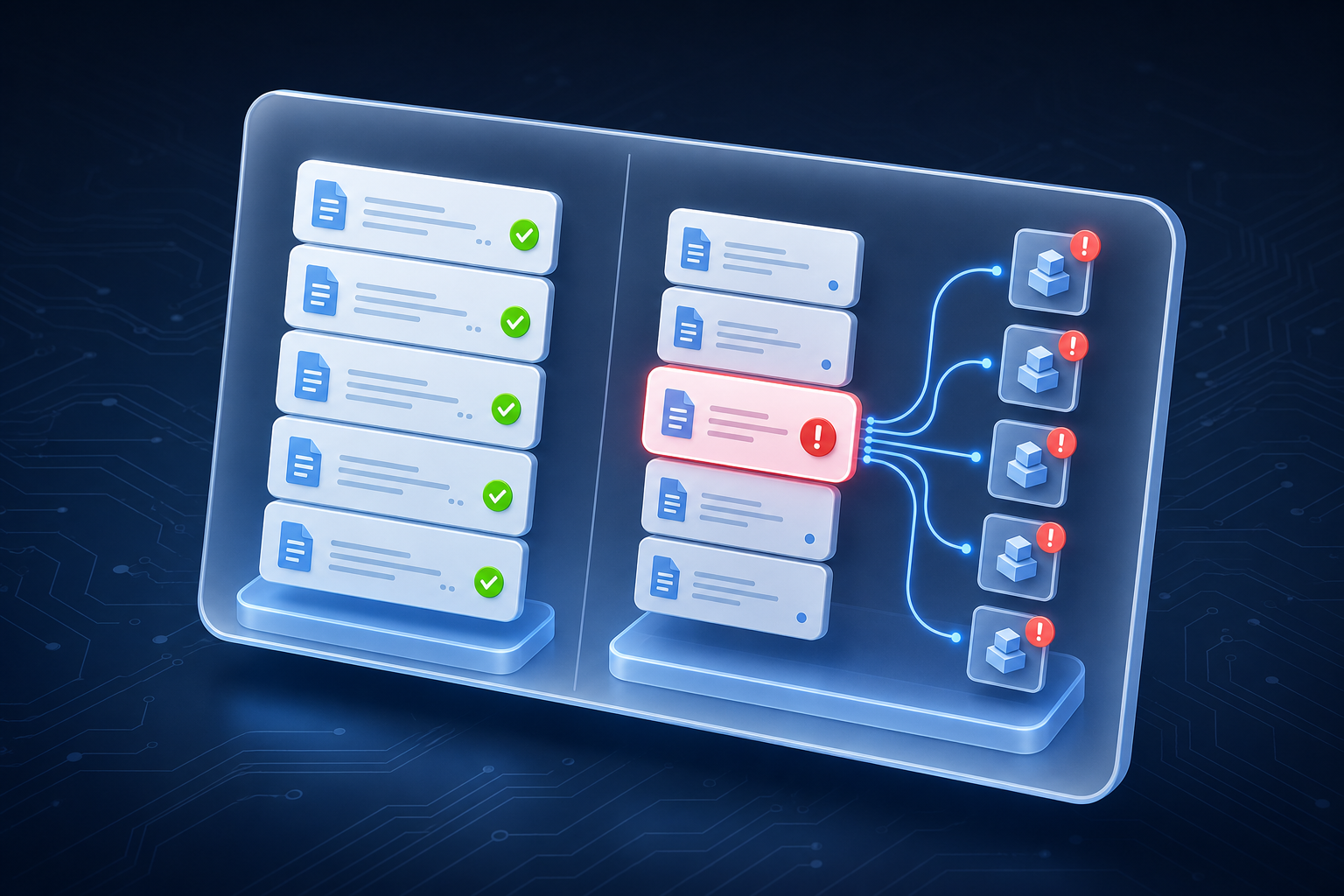
Give an AI assistant your documents and the first worry is always about gaps. The bigger risk is the line that is wrong.
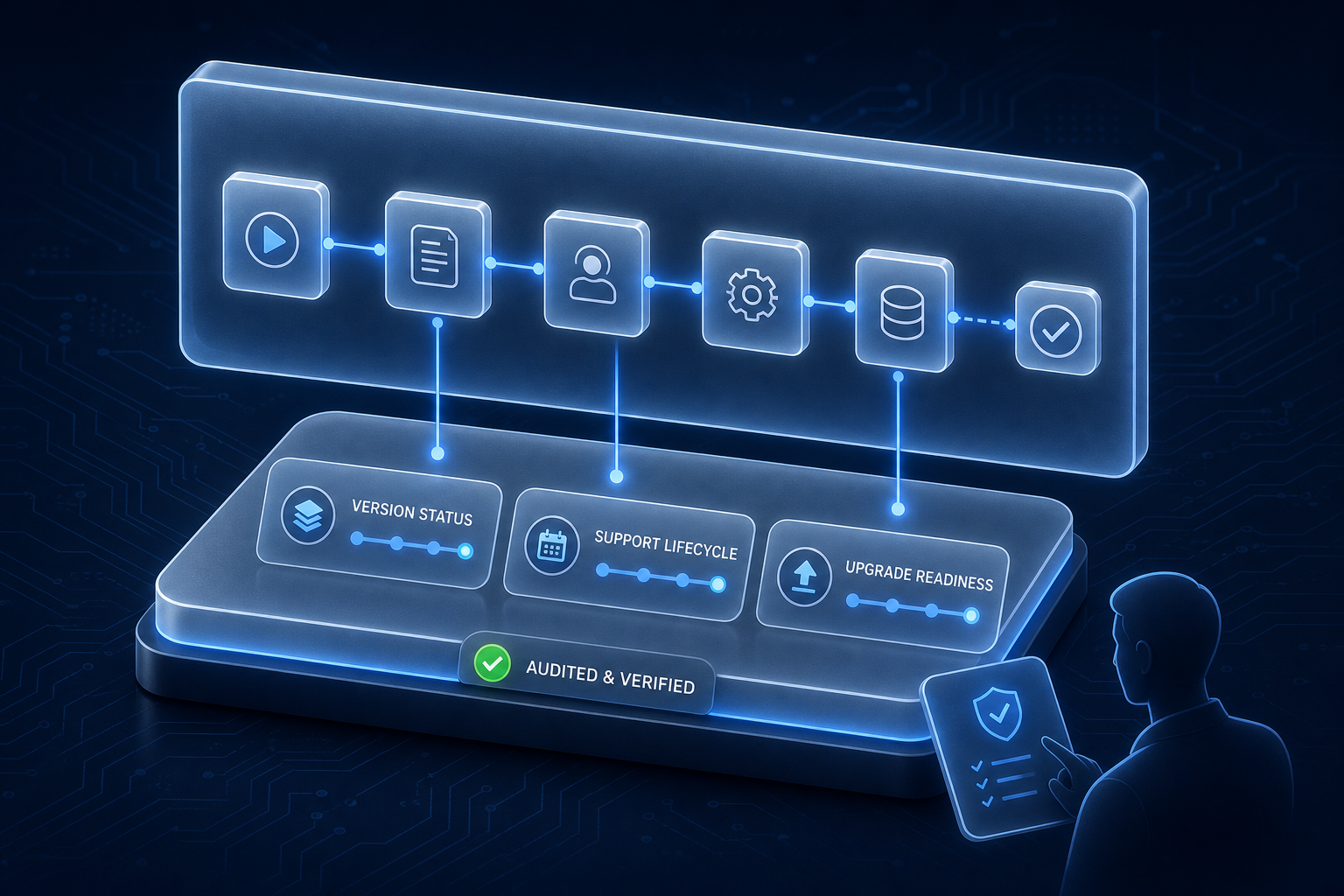
Your invoicing automation ran every Monday for eight months. Last Monday it did not. Nobody on your team touched it.
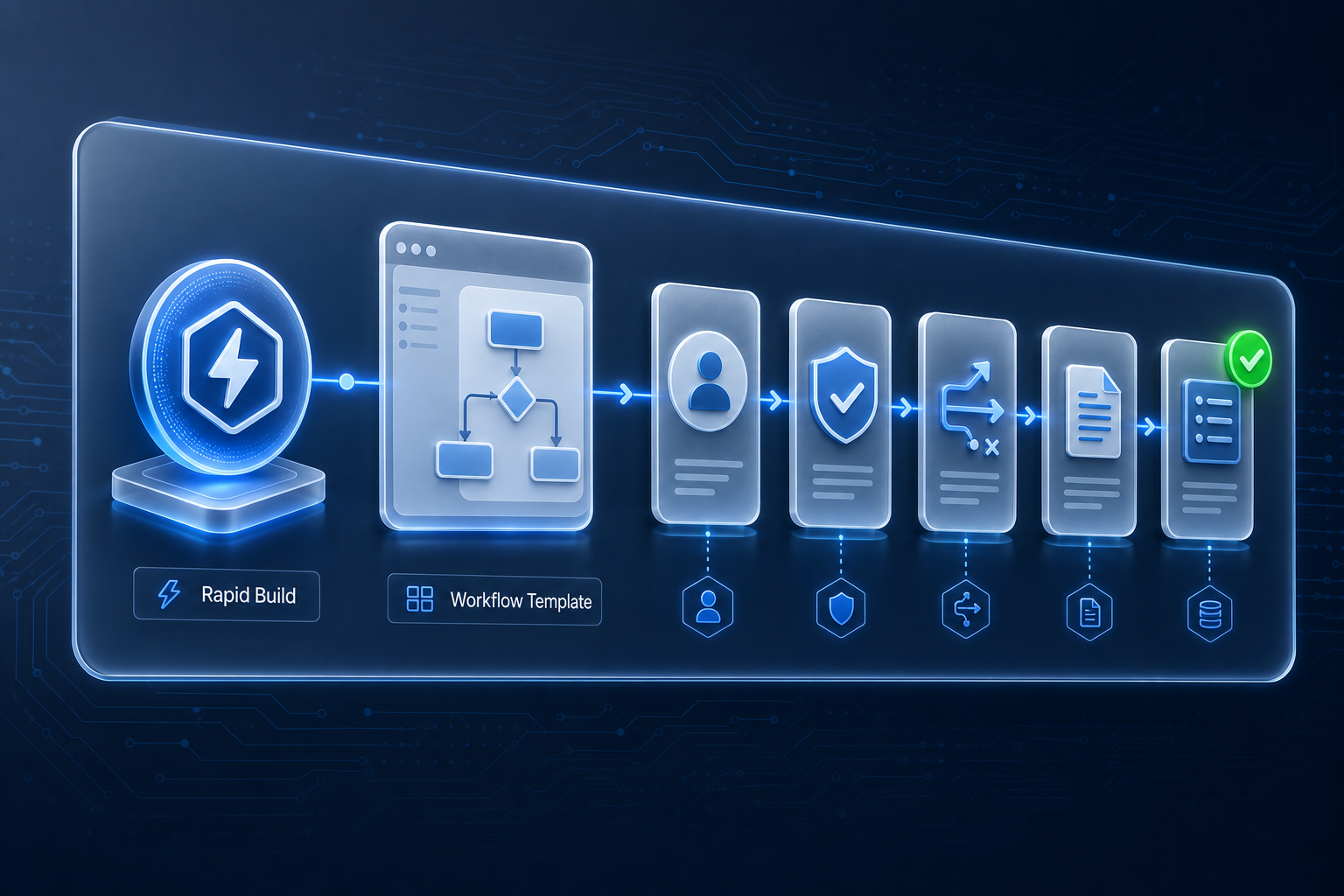
Type a sentence. Get back a working, editable workflow. That is where the major automation platforms landed this month, and it is not a demo reel. The thing runs.
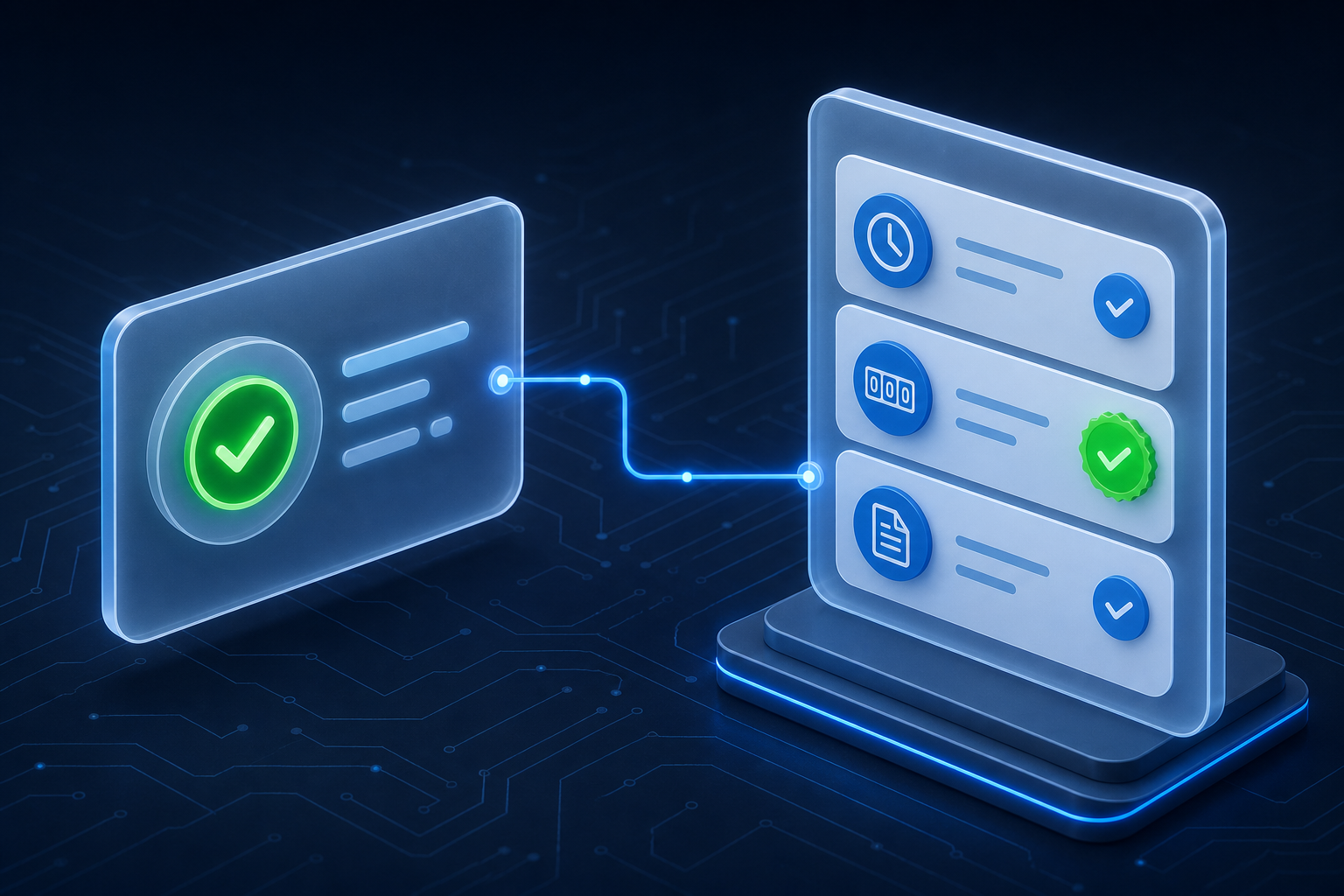
Most automation failures announce themselves. A step errors out, an alert fires, someone gets an email. Those are the easy ones.
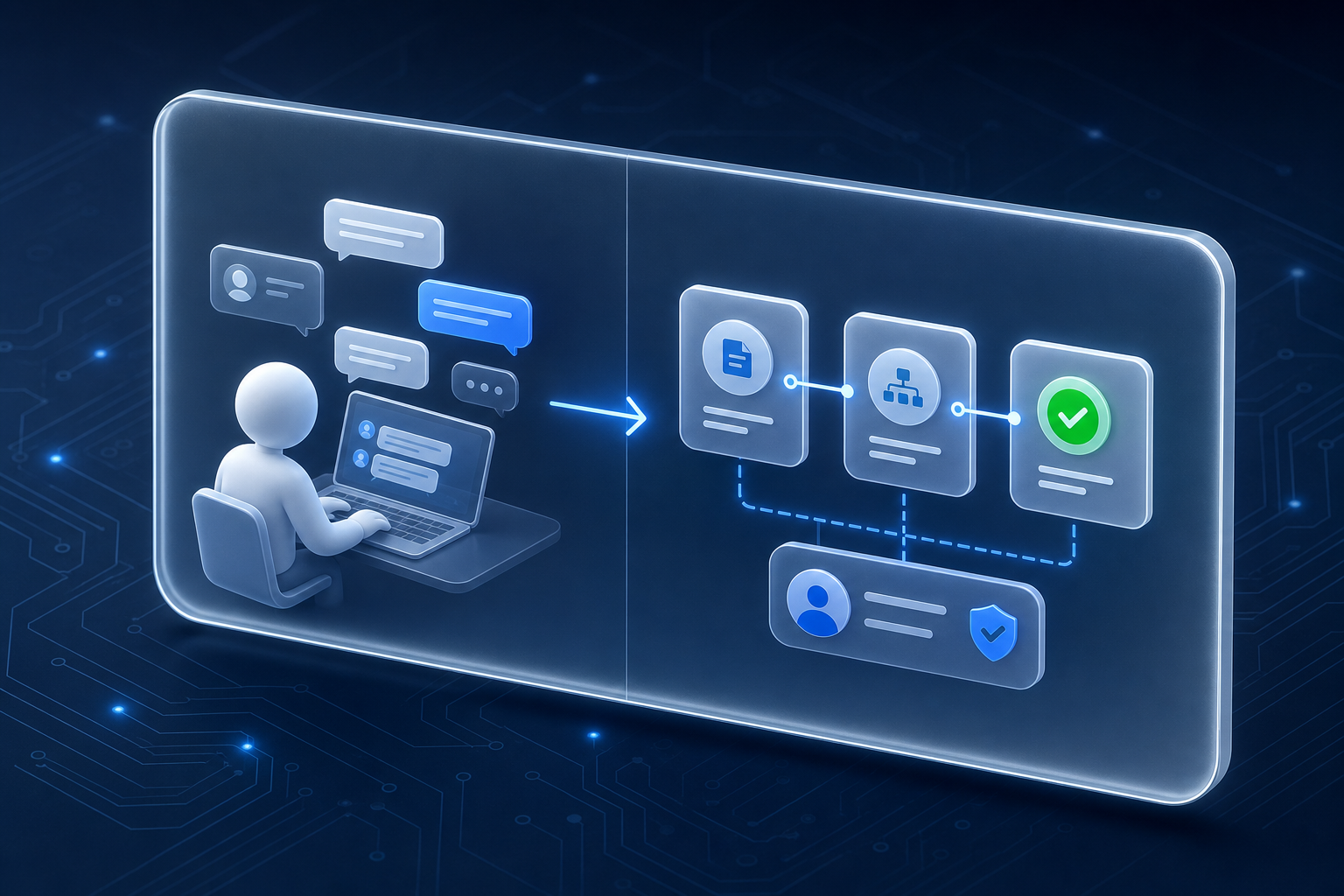
Nearly every small business has AI now. Almost none of them run on it.

Owners ask what they should spend on AI and want a number back. There isn't one.

The pilot ran for six weeks. It worked. Everyone agreed it saved real time.