Your email will go down for a day at some point. Write the one-page plan now
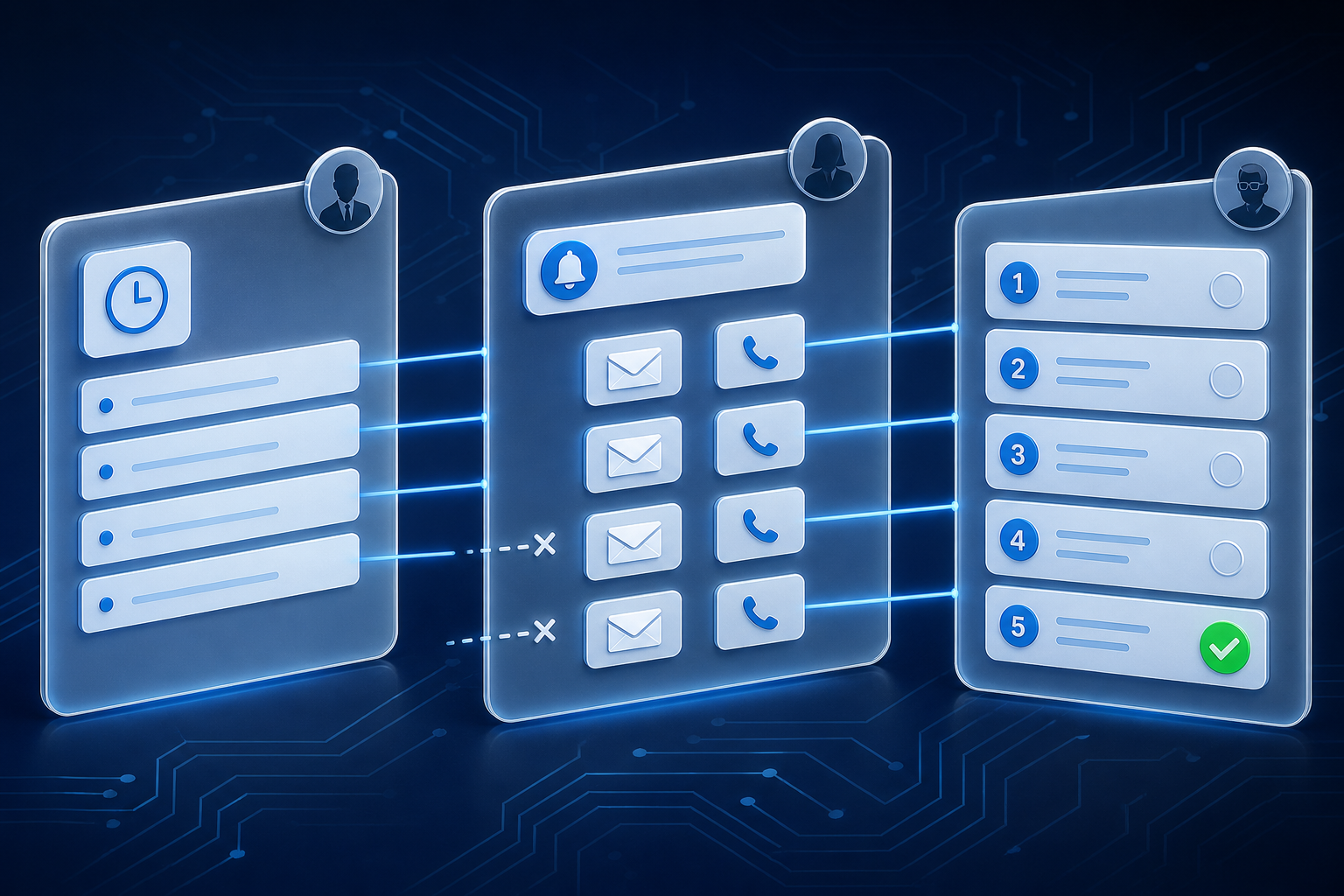
Email goes down. The phones still work and nothing feels urgent for the first hour. Then a customer calls to ask why their booking confirmation never arrived.
Email goes down. The phones still work and nothing feels urgent for the first hour. Then a customer calls to ask why their booking confirmation never arrived.
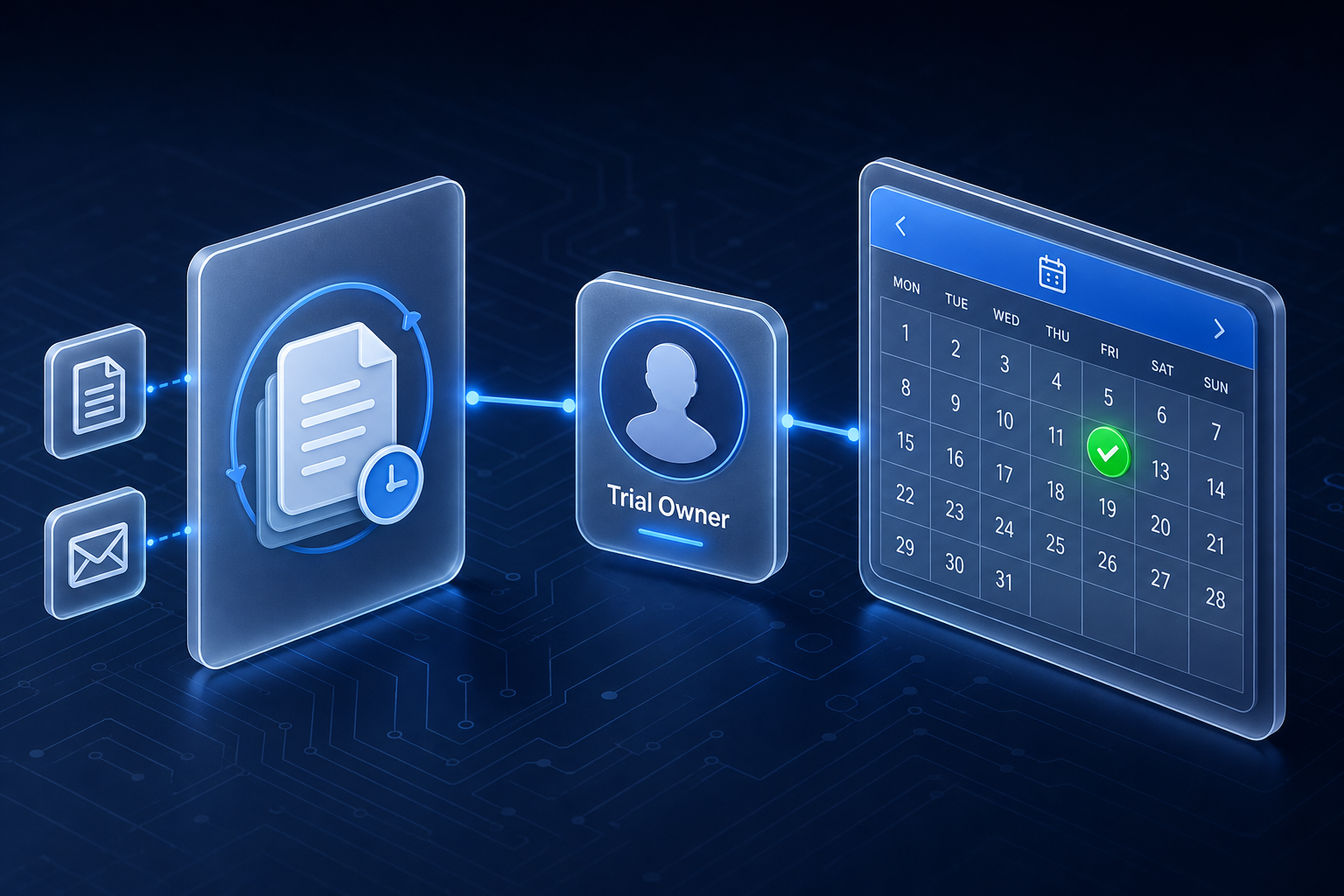
Over the coming months, small business owners will be offered more structured help with AI than at any point so far. Workshops, online courses and small-group programs, run through local business associations and public lenders. They teach the basics, help an owner spot where AI fits, and often end with a written plan.
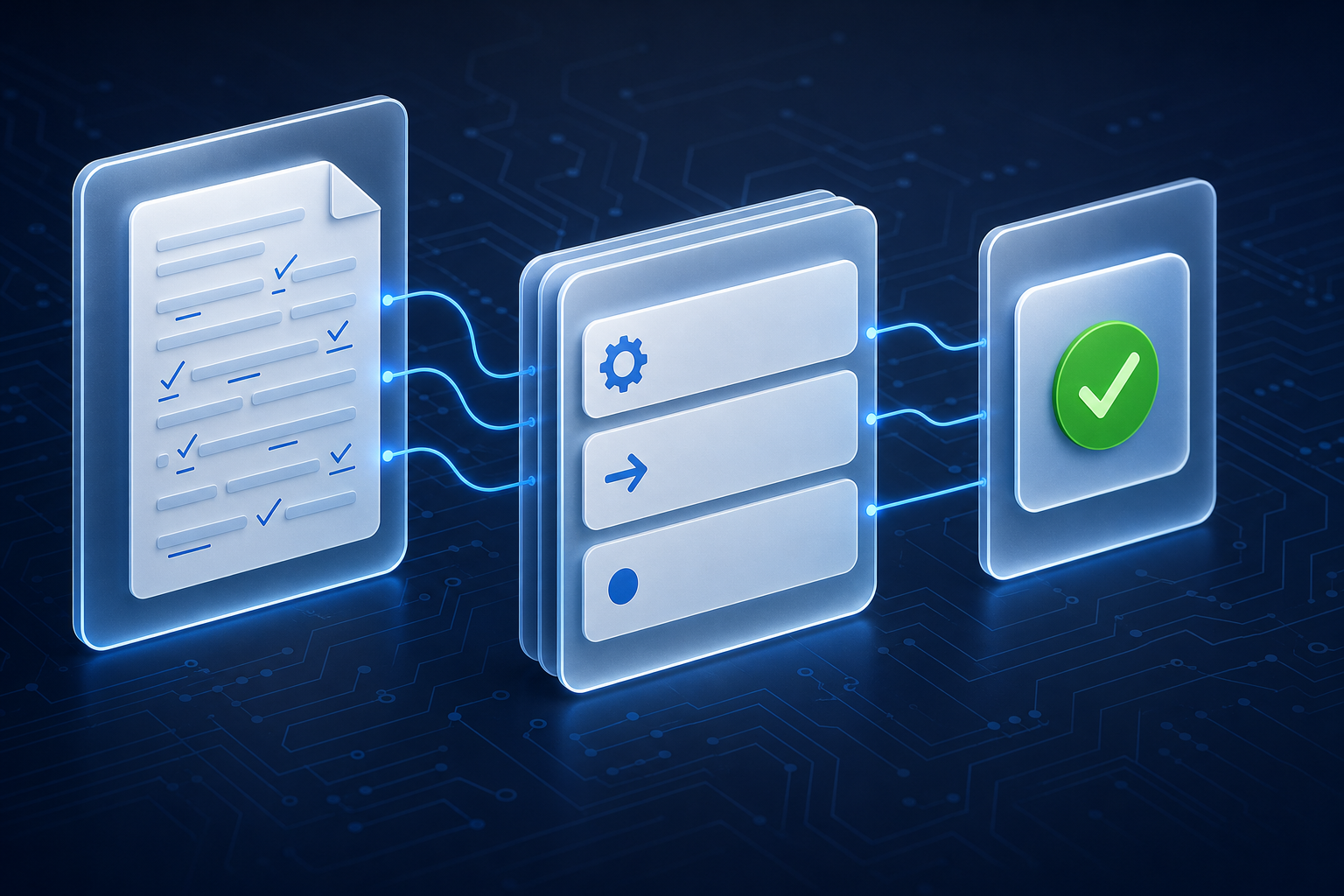
An owner asks how the new AI tool is going. The answer sits on their desk. Summaries arrive in minutes. Drafts show up before lunch. The work looks done.
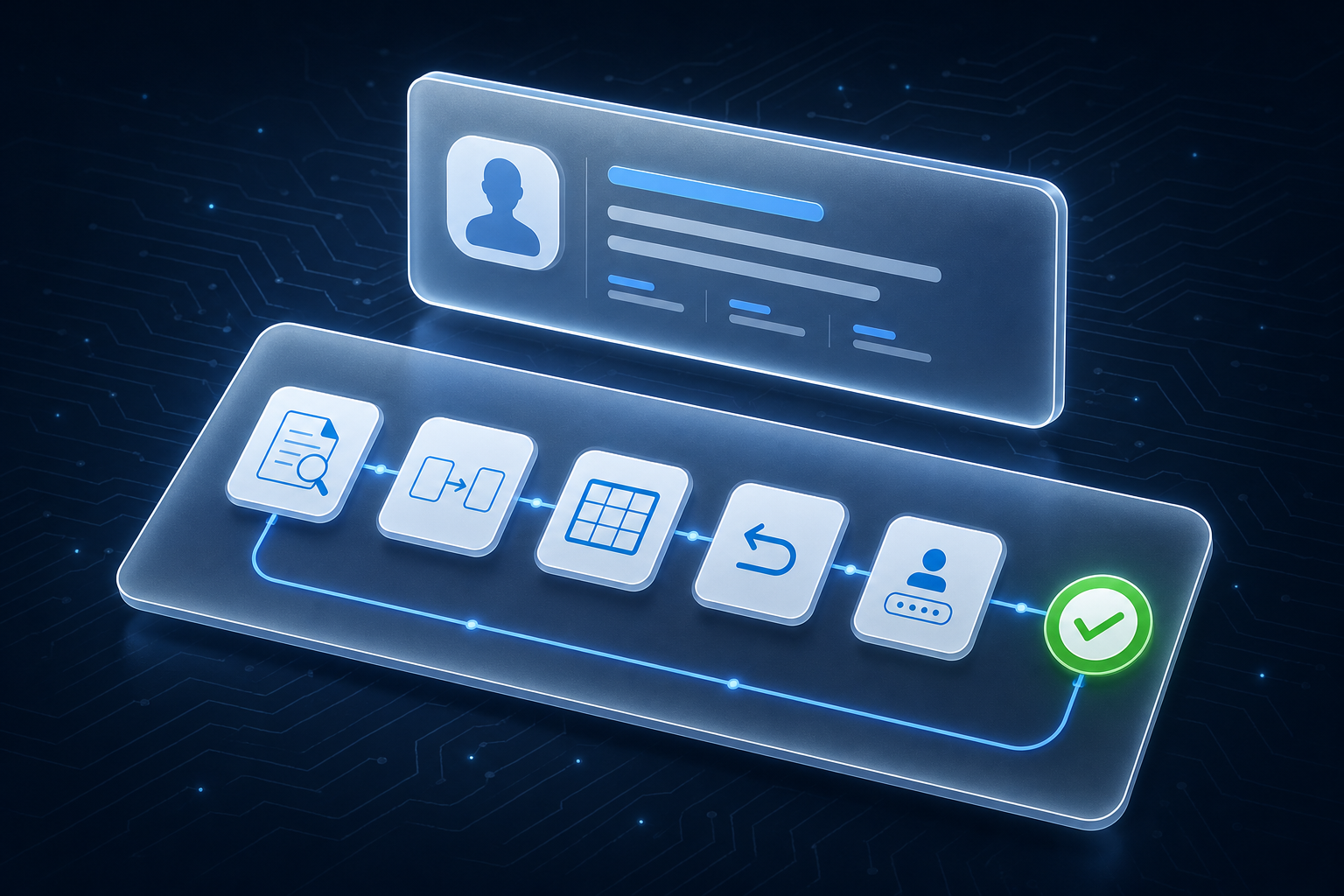
Somewhere in your business, someone is quietly fixing AI drafts. They swap a generic greeting for a name. They add the deadline the tool never includes. They delete a line that went out of date months ago.
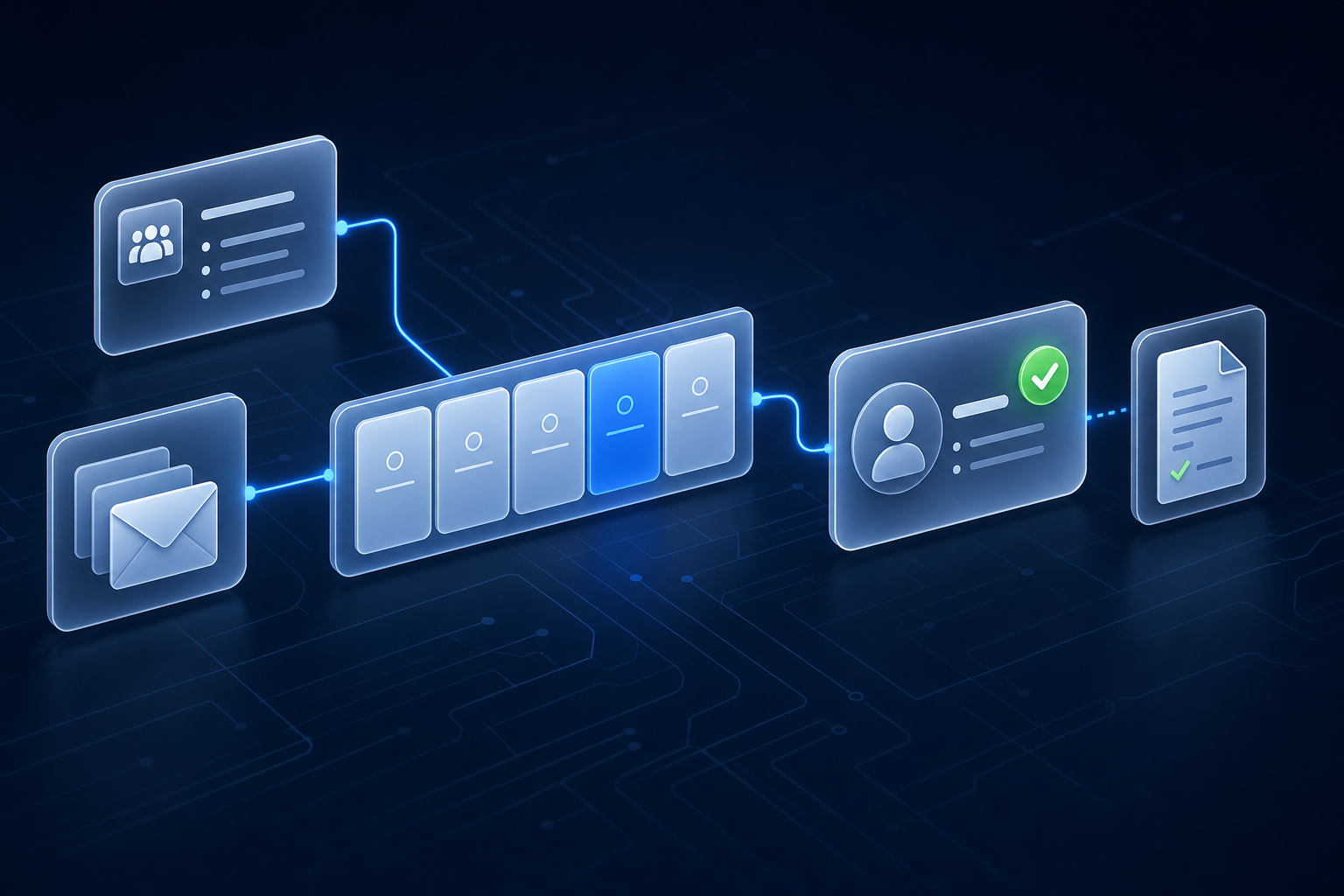
Decide where the freed hours go before you build the automation. Write it down, name the person, and pick the number that should move.
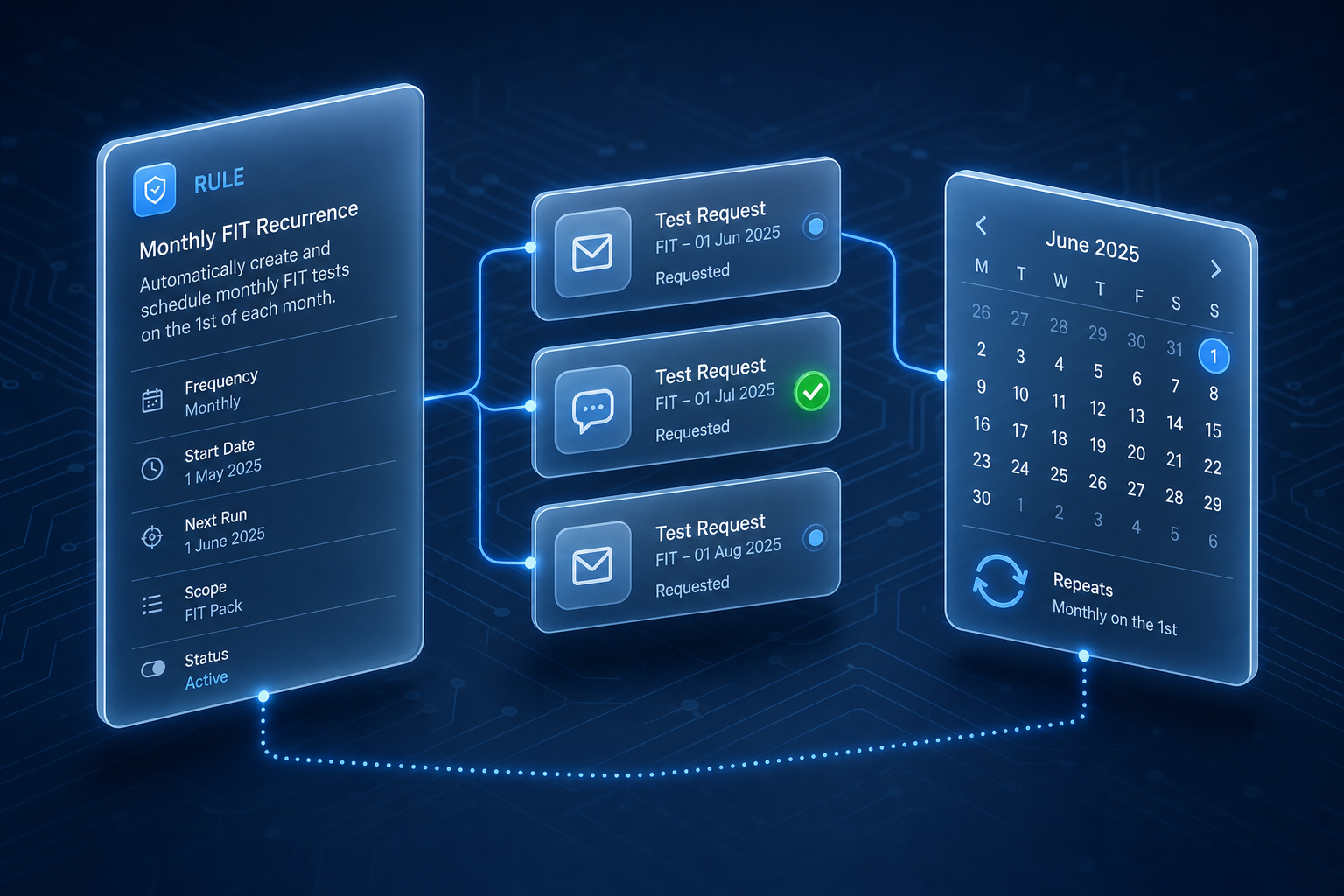
Test every rule you give an AI tool, on a fixed day, every month. If nobody tests a rule, treat it as hope.
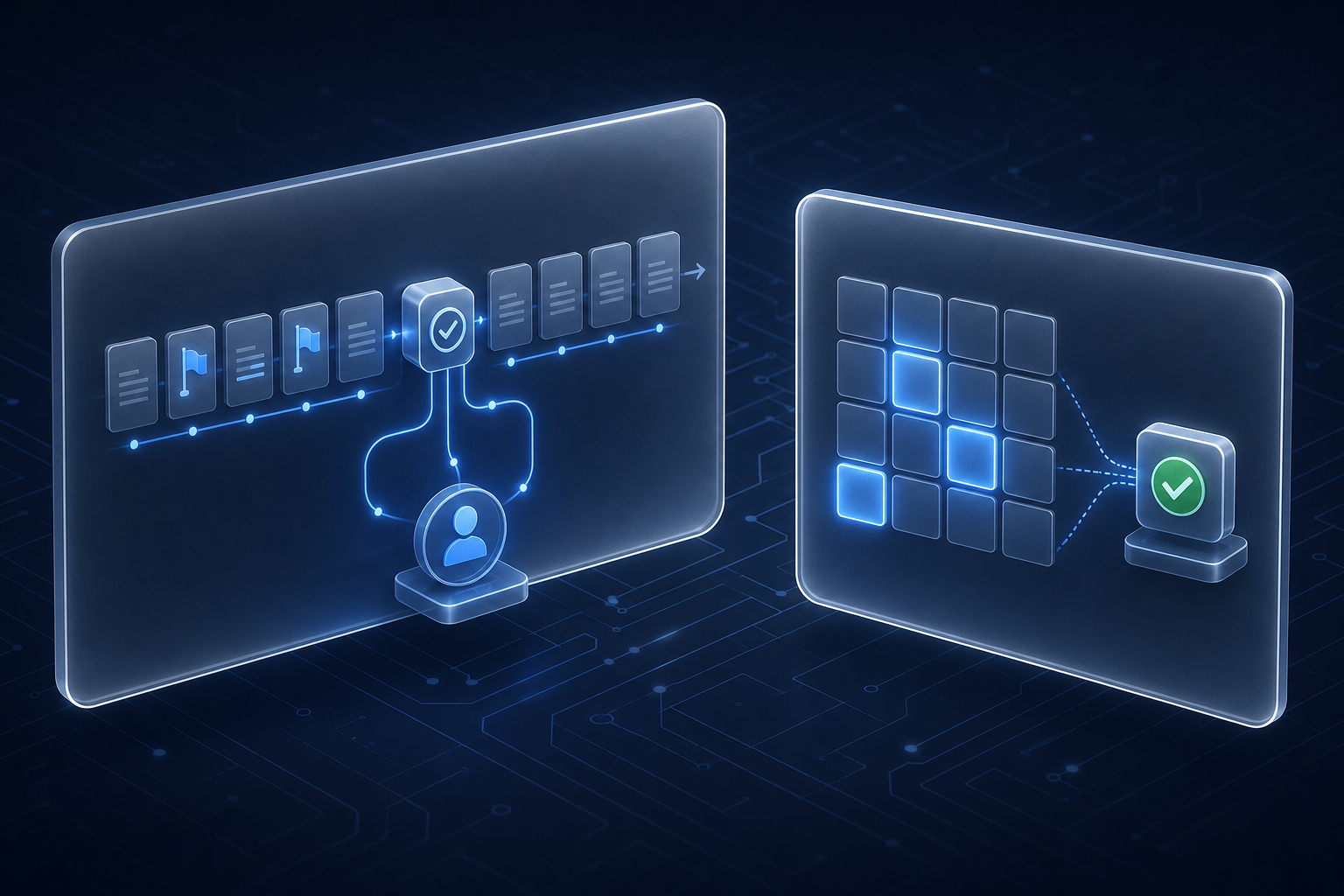
Read every output when an automation starts. Then decide, in writing, when you stop.

Tell customers you use AI, in plain words, before they have to ask.
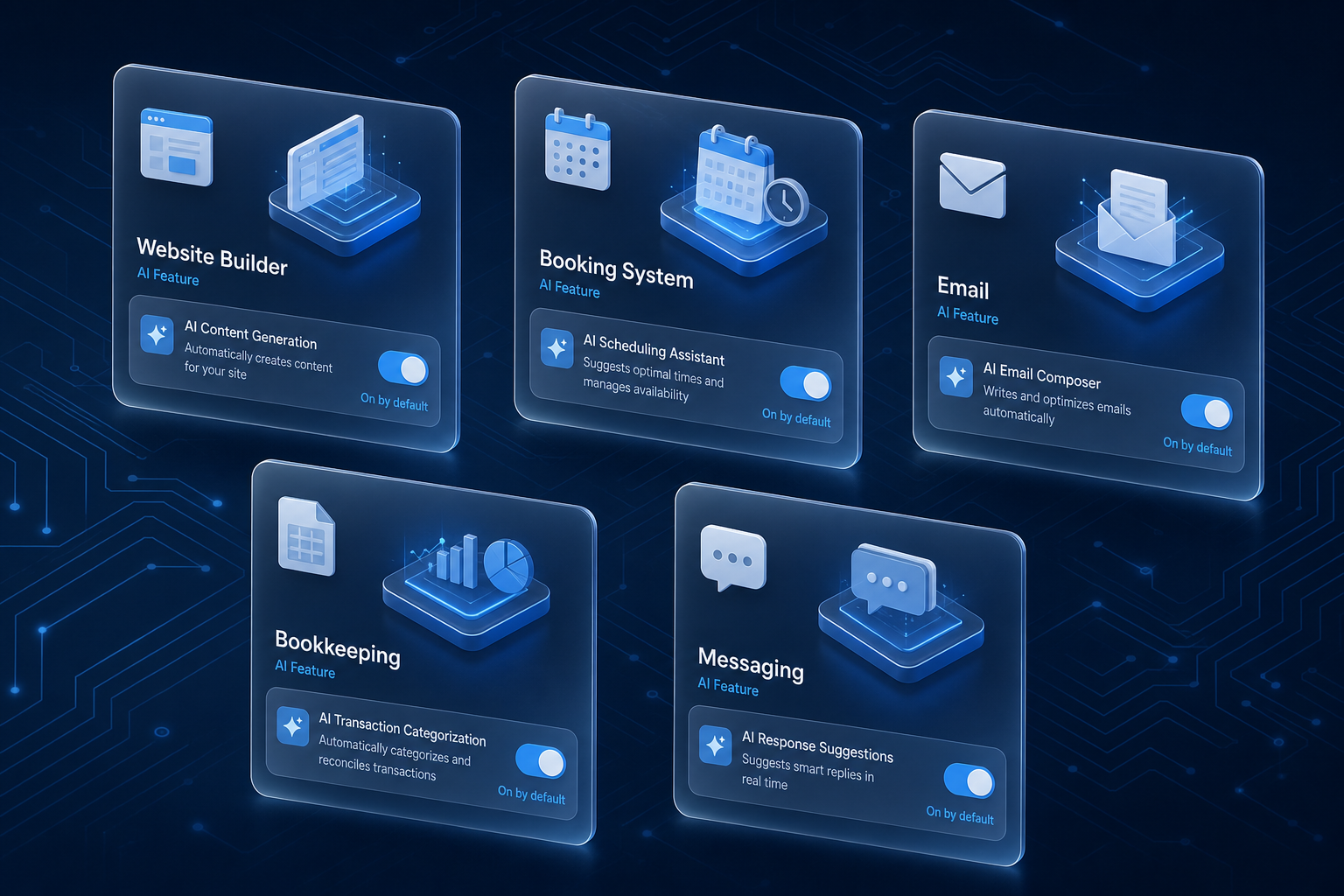
Most of the AI in your business arrived without anyone deciding to use it.
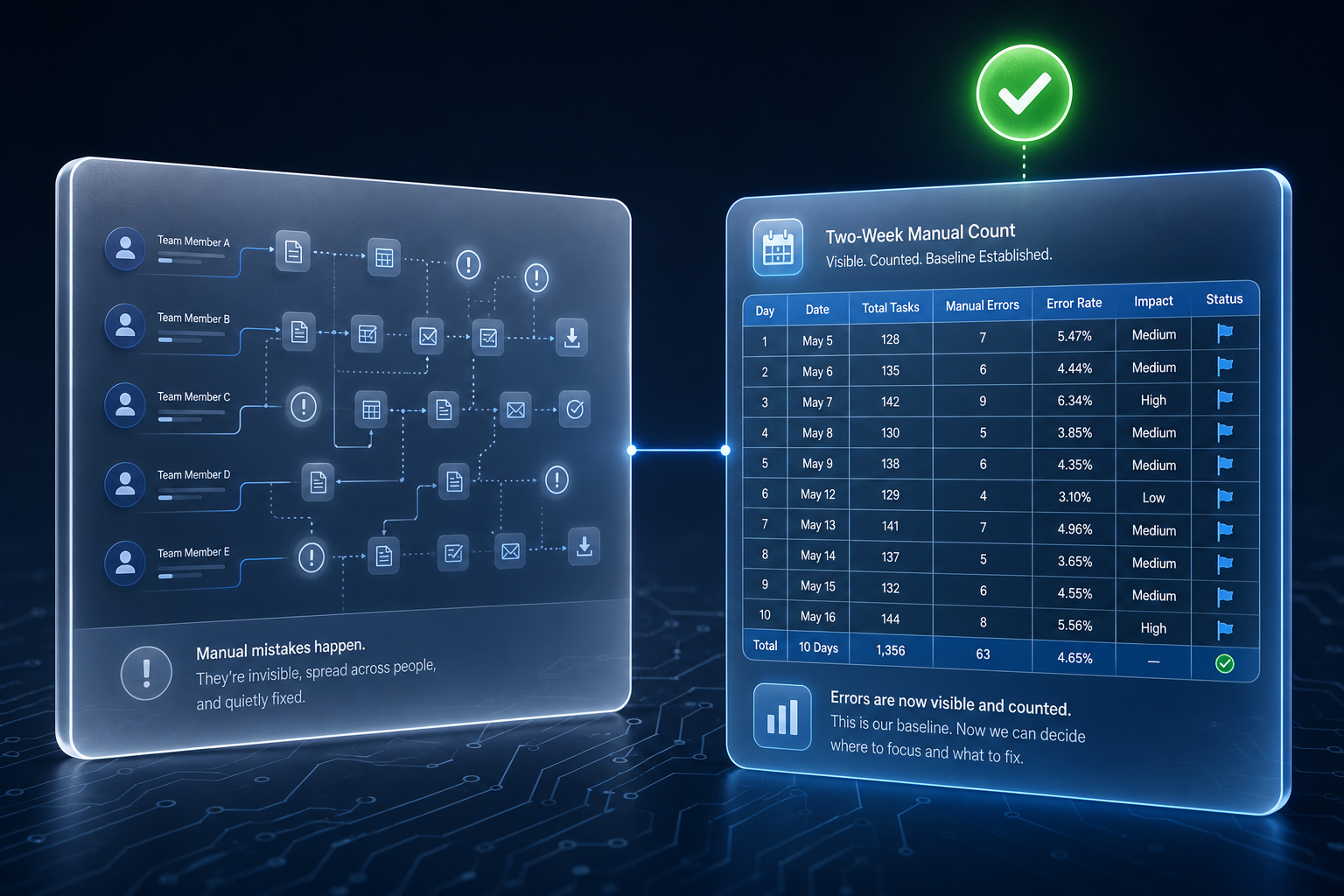
Ask an owner why a repetitive job is still done by hand, and the answer is rarely cost. It is some version of "what if it gets one wrong?"