The tool under your automation is about to change: five questions to ask first

Your invoicing automation ran every Monday for eight months. Last Monday it did not. Nobody on your team touched it.
Your invoicing automation ran every Monday for eight months. Last Monday it did not. Nobody on your team touched it.
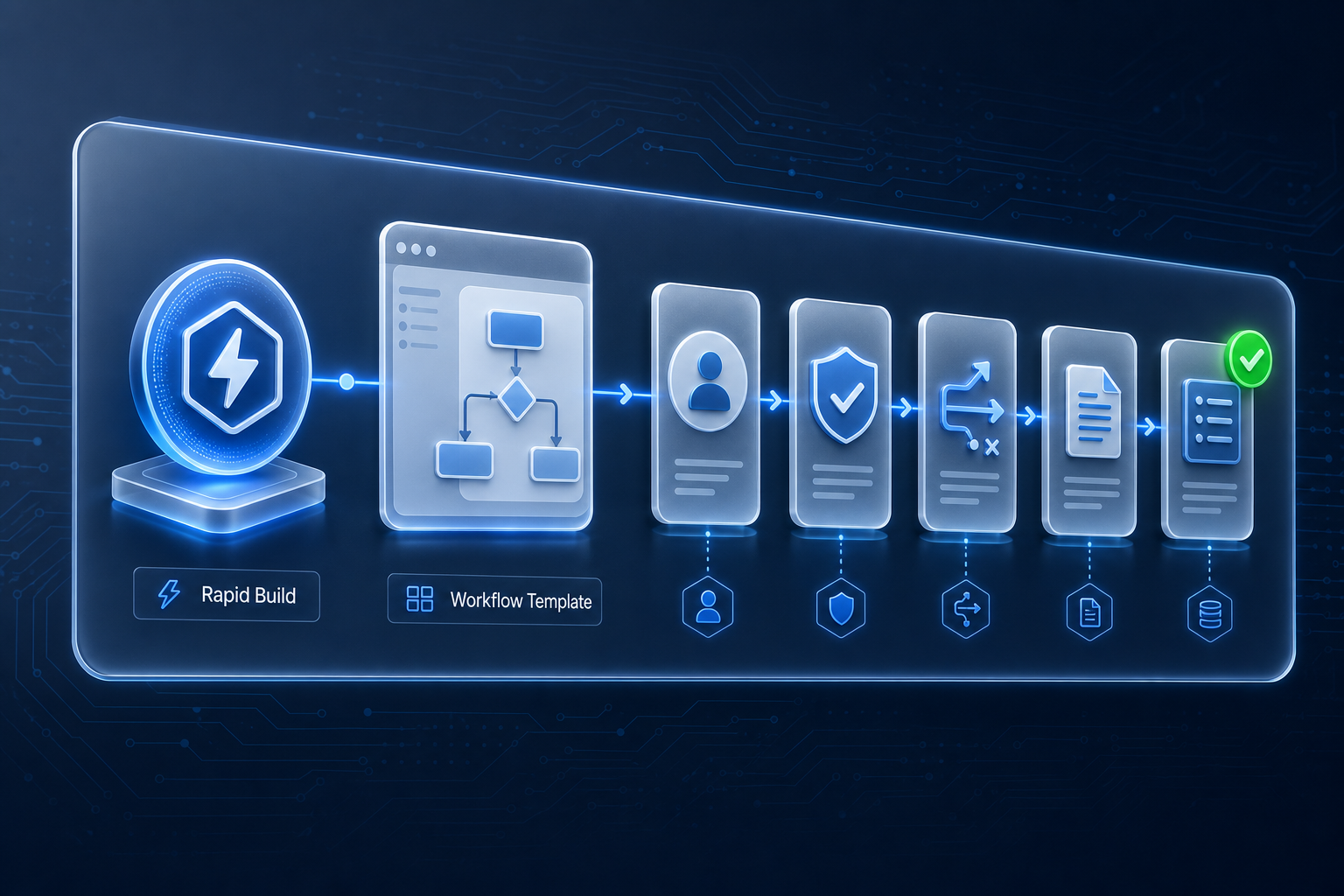
Type a sentence. Get back a working, editable workflow. That is where the major automation platforms landed this month, and it is not a demo reel. The thing runs.

Most automation failures announce themselves. A step errors out, an alert fires, someone gets an email. Those are the easy ones.

The pilot ran for six weeks. It worked. Everyone agreed it saved real time.

An automated quote goes out at 10:40 on a Tuesday. The price is wrong by a factor of ten. A customer has already opened it.

A 40-person logistics firm once asked me to automate their customer complaint responses. The volume was there. Around 30 a month, all arriving by email, all needing a reply inside a day. On paper it was a clean candidate.

AI sounds like a developer tool. Read the coverage and you would think the whole point of it is shipping code faster.

Most teams stall at the same place. They have written the procedure, but the procedure still runs on a person.

A clever prompt produces one good answer. A procedure produces the same good answer every week, run by anyone on your team.

Series: Building an AI-Ready Business — Part 2 of 3 Part 1: Process problem · Part 2: Writing SOPs · Part 3: Decision logs · Series hub
Most teams treat their SOPs as if they are ready to hand to an AI agent. They are not.